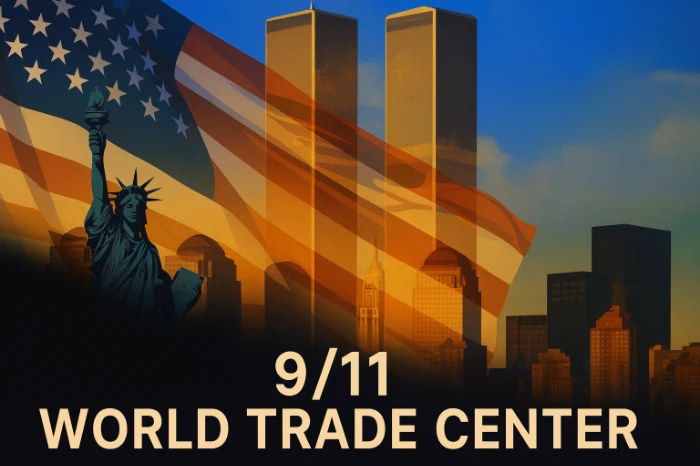
The terrorist attacks of September 11, 2001, remain one of the most significant events in modern American history. These devastating acts changed the nation’s trajectory and revealed the incredible strength of the human spirit. Learning about 9/11 isn’t just about remembering tragedy—it’s about understanding courage, unity, and the power of community when facing unimaginable challenges.
Today’s young people didn’t experience that fateful day firsthand, yet they’re growing up in a world shaped by its aftermath. That’s why organizations dedicated to preserving these memories and extracting meaningful lessons have become so vital. They’re ensuring that the heroism, sacrifice, and resilience displayed on that day continue to inspire and prepare future generations.
Through education programs focused on character development, we can help young Americans understand not just what happened, but why it matters. These initiatives teach critical values like faith, family commitment, and public service—principles that were on full display during America’s darkest hours and can guide us through any challenge we face.
The Events That Changed America Forever
What Happened on September 11, 2001
On that clear Tuesday morning, 19 terrorists hijacked four commercial airplanes as part of a coordinated attack orchestrated by the extremist group al-Qaeda. Two planes struck the Twin Towers of the World Trade Center in New York City, causing both towers to collapse within hours. Another plane crashed into the Pentagon in Arlington, Virginia, while the fourth—United Airlines Flight 93—went down in a Pennsylvania field after passengers heroically fought back against the hijackers.
Nearly 3,000 innocent people lost their lives that day, including office workers, flight crew members, passengers, and first responders who rushed toward danger to save others. The attacks didn’t just destroy buildings—they shattered America’s sense of security and changed how we think about safety, community, and national defense.
The immediate aftermath saw an unprecedented response from firefighters, police officers, paramedics, and ordinary citizens who became extraordinary heroes. People from all walks of life worked together, demonstrating that our shared humanity transcends any differences we might have.
The Heroes Who Emerged from Tragedy
First responders displayed remarkable bravery as they climbed stairs while others fled downward, knowing the risks but committed to saving lives. Firefighters, police officers, and emergency medical personnel became symbols of selflessness and dedication. Many made the ultimate sacrifice, and their courage continues to inspire new generations of public servants.
Beyond the uniformed heroes, countless civilians showed incredible strength and compassion. Office workers helped colleagues with disabilities evacuate, strangers formed human chains to guide people through smoke-filled stairwells, and volunteers spent months at Ground Zero searching for survivors and remains. These everyday heroes proved that ordinary people can accomplish extraordinary things when called upon.
The passengers aboard Flight 93 exemplified this spirit when they chose to fight back, preventing the terrorists from reaching their intended target in Washington, D.C. Their decision to act saved countless lives and showed the world that Americans wouldn’t surrender to fear or intimidation.
Building Character Through Historical Understanding
Faith as a Foundation for Recovery
In the days and weeks following the attacks, Americans turned to their faith communities for comfort, guidance, and strength. Churches, synagogues, mosques, and temples became gathering places where people could grieve together, pray for victims and their families, and find hope amid despair. Faith provided a framework for making sense of senseless violence and helped communities begin the long healing process.
Religious leaders from all traditions came together, demonstrating that faith unites rather than divides us. This interfaith cooperation showed young people that shared values like compassion, service, and love for neighbor transcend denominational boundaries. These lessons remain relevant today as we navigate an increasingly diverse society.
Teaching students about faith’s role in recovery isn’t about promoting any specific religion—it’s about helping them understand that spiritual resilience can sustain people through their darkest moments. Whether through organized religion, personal spirituality, or philosophical frameworks, faith gives people strength to persevere when circumstances seem overwhelming.
Family Bonds That Strengthened Communities
The attacks reminded Americans what truly matters most: the people we love. In those terrifying hours, countless individuals made desperate phone calls to say “I love you” one last time. These final messages revealed that material success, professional achievements, and social status pale in comparison to meaningful relationships with family and friends.
Families across the nation drew closer together, reassessing priorities and spending more quality time with loved ones. Parents hugged their children tighter, couples renewed their commitment to each other, and extended families reconnected after years of distance. This renewed focus on family values created stronger support networks that helped communities weather the emotional aftermath.
By studying how families supported each other during this crisis, young people learn that strong family bonds provide essential stability during uncertain times. They understand that investing in relationships isn’t just personally fulfilling—it creates resilient communities better equipped to handle whatever challenges may come.
Educating Tomorrow’s Leaders About 9/11
Why Teaching 9/11 History Matters Today
As time passes, the events of September 11 risk becoming just another chapter in history textbooks rather than a living memory with ongoing relevance. However, the lessons from that day—about courage, sacrifice, unity, and resilience—remain critically important for developing character in young people who’ll face their own challenges and crises.
Understanding 9/11 helps students appreciate the freedoms they enjoy and the sacrifices made to protect those freedoms. It teaches them that democracy isn’t guaranteed but requires constant vigilance and active participation. These lessons cultivate informed, engaged citizens who understand their responsibilities to their communities and country.
Moreover, studying how Americans responded to tragedy provides practical blueprints for handling adversity. Whether facing natural disasters, economic hardships, or personal setbacks, the principles of cooperation, perseverance, and mutual support that emerged from 9/11 offer timeless guidance for overcoming obstacles.
Tools for Preparing the Next Generation
Effective education about 9/11 goes beyond dates, names, and facts. It requires engaging students emotionally and intellectually so they connect personally with the material. Interactive programs, survivor testimonies, virtual museum tours, and service learning projects help bring history to life in meaningful ways.
Modern technology offers incredible opportunities for immersive learning experiences. Virtual reality simulations can transport students to memorial sites, documentaries provide first-person accounts from witnesses and heroes, and online archives preserve thousands of stories that might otherwise be forgotten. These tools make history accessible and relevant to digital-native generations.
Character education programs that use 9/11 as a framework teach practical skills like critical thinking, emotional intelligence, crisis response, and ethical decision-making. By examining how people made difficult choices under extreme pressure, students develop their own moral compasses and learn to act with integrity when facing tough situations.
The September 11 Foundation’s Mission and Vision
Empowering First Responders with Modern Resources
Today’s emergency personnel face increasingly complex challenges, from cyberterrorism to pandemics to climate-related disasters. Providing them with cutting-edge training, equipment, and support systems ensures they’re prepared to protect communities when crises strike. This investment in first responder readiness honors the legacy of those who responded on 9/11 while addressing contemporary threats.
Professional development programs help first responders build both technical skills and emotional resilience. They learn advanced life-saving techniques, crisis management strategies, and psychological coping mechanisms that enable them to perform under pressure while maintaining their own well-being. This holistic approach recognizes that effective emergency response requires both physical and mental preparation.
Collaboration between emergency services, educational institutions, and community organizations creates comprehensive support networks. When responders know they have robust backing from their communities, they can focus on their critical missions with confidence. This mutual commitment strengthens overall public safety infrastructure.
Character Development Programs for Youth
Young people today face unique pressures, from social media comparison to academic competition to uncertain economic futures. Character education programs rooted in 9/11 lessons provide frameworks for navigating these challenges with integrity, empathy, and determination. Students learn that setbacks don’t define them—how they respond to difficulties shapes their character and future.
Leadership development initiatives help young people recognize their own potential to make positive differences in their communities. Through service projects, mentorship opportunities, and civic engagement activities, students discover that they don’t need to wait until adulthood to contribute meaningfully to society. This empowerment builds confidence and purpose.
Peer-to-peer learning models allow students to share experiences, support each other through challenges, and hold one another accountable to high standards. These relationships create cultures of excellence where young people encourage each other to be their best selves rather than competing destructively or settling for mediocrity.
Public Service and Commitment to Excellence
Inspiring a Culture of Service
The spirit of service that emerged after 9/11 sparked a significant increase in Americans joining the military, entering public safety careers, and volunteering with nonprofits. This renewed commitment to serving others demonstrates how tragedy can catalyze positive social change. By highlighting these stories, we inspire new generations to consider how they can contribute to the greater good.
Public service takes many forms beyond traditional first responder roles. Teachers, social workers, community organizers, environmental activists, and countless other professionals dedicate their careers to improving lives and strengthening society. Showing young people the diverse ways they can serve helps them identify paths aligned with their unique talents and passions.
Volunteer work and community engagement teach valuable life skills while making tangible differences in people’s lives. Whether organizing food drives, tutoring younger students, visiting elderly neighbors, or cleaning up parks, service activities help young people develop empathy, work ethic, and problem-solving abilities that benefit them throughout life.
Real-World Applications of 9/11 Lessons
The principles learned from 9/11—unity, courage, perseverance, and compassion—apply directly to everyday challenges students face. When dealing with bullying, academic struggles, family problems, or social conflicts, these values provide guidance for making ethical choices and treating others with dignity and respect.
Teamwork skills developed through group projects and extracurricular activities mirror the cooperation displayed by first responders and volunteers after the attacks. Learning to collaborate effectively, communicate clearly, and support teammates prepares students for success in college, careers, and community leadership roles.
Critical thinking about complex issues like national security, civil liberties, religious tolerance, and international relations helps students become informed citizens capable of thoughtful civic participation. Rather than accepting simple answers to complicated questions, they learn to analyze multiple perspectives, evaluate evidence, and form nuanced opinions.
Overcoming Adversity: Timeless Lessons from 9/11
Life inevitably brings difficulties—personal losses, health challenges, financial setbacks, or relationship troubles. The resilience demonstrated by 9/11 survivors, victims’ families, and affected communities offers powerful examples of how humans can endure and even grow through hardship. Their stories teach us that we’re stronger than we realize and that we don’t have to face struggles alone.
Recovery from trauma isn’t linear or quick. It requires patience, support systems, and willingness to seek help when needed. By normalizing conversations about mental health, grief, and healing, we reduce stigma and encourage people to access resources that facilitate genuine recovery rather than just pushing through pain.
The memorials, museums, and educational programs created since 9/11 show how communities can transform tragedy into meaning. Rather than allowing grief to become paralysis, Americans channeled their pain into action—ensuring victims are remembered, supporting survivors and families, and preparing future generations. This constructive response to loss demonstrates healthy coping and purposeful living.
Can studying 9/11 really help students overcome personal challenges?
Absolutely. Learning how people displayed extraordinary courage, maintained hope in desperate situations, supported each other through trauma, and rebuilt their lives provides practical models for resilience. These stories prove that humans possess incredible capacity to persevere through difficulties when they draw on inner strength and community support.
Contact: The September 11 Foundation
One World Trade Center, Fulton St, New York, NY 10006
september11foundation.com (609) 831-0911